
Description
Fabian Markl – AI Automations, Agents & Webapps
Introduction
The digital world is evolving faster than ever, and businesses are constantly searching for innovative ways to automate processes, improve productivity, and build intelligent solutions. Fabian Markl – AI Automations, Agents & Webapps represents a modern approach to leveraging artificial intelligence for business growth, workflow optimization, and advanced web application development.
Artificial intelligence is no longer limited to large corporations or technology giants. Today, entrepreneurs, freelancers, agencies, startups, and enterprises are adopting AI-powered systems to streamline operations, reduce manual work, and create scalable digital products. This growing demand has increased interest in learning how AI agents, automations, and modern web applications can work together to create efficient business systems.
This guide explores the concepts, benefits, applications, and opportunities surrounding AI automation, intelligent agents, and web applications while highlighting why this educational approach has gained significant attention among digital professionals.
Understanding AI Automations
AI automation refers to the process of using artificial intelligence to perform repetitive tasks without constant human intervention. Traditional automation follows predefined rules, while AI-powered automation can learn, adapt, and make intelligent decisions.
Businesses use AI automation to:
- Automate customer support.
- Handle repetitive administrative tasks.
- Process data efficiently.
- Generate reports automatically.
- Improve decision-making.
- Optimize business workflows.
- Reduce operational costs.
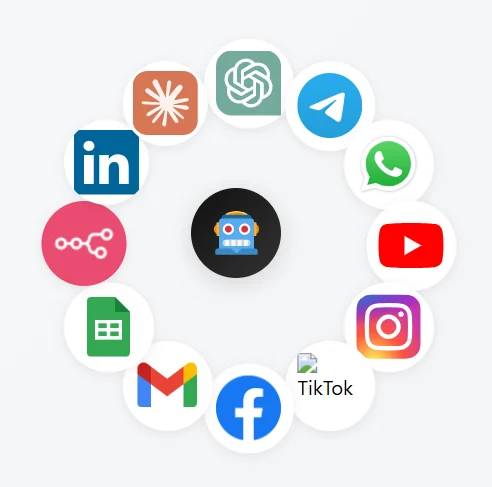
Modern AI automation systems can connect multiple applications, allowing businesses to create seamless workflows that save time and increase productivity.
What Are AI Agents?
AI agents are intelligent systems designed to perform tasks, solve problems, and make decisions autonomously. Unlike basic automation tools, AI agents can understand context, analyze information, and adapt their responses based on specific situations.
AI agents can perform tasks such as:
- Answering customer inquiries.
- Managing appointments.
- Conducting research.
- Analyzing data.
- Creating content.
- Handling business operations.
- Managing internal workflows.
The growing popularity of AI agents is changing how businesses operate by allowing companies to delegate repetitive work to intelligent systems.
The Role of Web Applications
Web applications serve as the interface where users interact with AI systems. Modern web apps provide accessibility, scalability, and flexibility across multiple devices.
Popular features of AI-powered web applications include:
User Dashboards
Interactive dashboards allow users to monitor workflows, track performance, and manage operations efficiently.
Real-Time Data Processing
AI web apps can process large amounts of data instantly, helping businesses make informed decisions.
Automation Integration
Businesses can connect multiple services, APIs, and software platforms within a single application.
Cloud Accessibility
Users can access AI-powered systems from anywhere, making remote work and collaboration easier.
Why AI Automation Is Transforming Businesses
Companies worldwide are adopting AI solutions because of their ability to improve efficiency and reduce operational costs.
Increased Productivity
Employees spend less time on repetitive tasks and more time on high-value activities.
Reduced Human Error
Automation minimizes mistakes caused by manual processes.
Better Customer Experience
AI-powered systems provide faster responses and personalized interactions.
Cost Savings
Businesses reduce labor costs and operational expenses.
Scalability
AI systems can handle increasing workloads without significantly increasing resources.
Key Components of Modern AI Systems
Successful AI automation projects typically include several important elements.
Large Language Models
Modern AI systems rely on advanced language models capable of understanding and generating human-like text.
Workflow Automation Platforms
Automation platforms connect various tools and applications to create efficient processes.
APIs and Integrations
Application programming interfaces allow systems to communicate and share data.
Databases
AI applications require data storage systems to manage information securely.
Frontend Interfaces
User-friendly web interfaces make AI tools accessible to non-technical users.
Practical Applications Across Industries
AI automation and web applications are being used across numerous industries.
Marketing
- Content generation.
- Email automation.
- Lead qualification.
- Campaign optimization.
Customer Service
- AI chatbots.
- Automated support systems.
- Ticket management.
- Knowledge bases.
E-commerce
- Product recommendations.
- Inventory management.
- Customer support.
- Sales forecasting.
Healthcare
- Appointment scheduling.
- Patient communication.
- Data analysis.
- Administrative automation.
Education
- Personalized learning.
- Student support.
- Course recommendations.
- Automated assessments.
Learning AI Automation Skills
The demand for AI professionals continues to grow as businesses seek individuals capable of implementing intelligent systems.
Important skills include:
- Prompt engineering.
- Workflow design.
- API integration.
- Automation platforms.
- Web application development.
- AI agent development.
- Data analysis.
- User experience design.
Developing these skills allows professionals to build valuable solutions for businesses and clients.
Benefits for Entrepreneurs and Freelancers
Entrepreneurs and freelancers can use AI automation to improve their businesses in several ways.
Time Management
Automated workflows reduce administrative tasks.
Lead Generation
AI tools help identify and qualify potential clients.
Content Creation
Artificial intelligence assists with content production and marketing.
Client Communication
Automated systems maintain customer relationships.
Service Delivery
AI-powered solutions improve client experiences and increase efficiency.
Future Trends in AI Automation
The future of AI continues to evolve rapidly.
Autonomous AI Agents
More advanced agents will perform complex tasks independently.
Multi-Agent Systems
Multiple AI agents will collaborate to complete larger projects.
Personalized Experiences
AI systems will deliver highly customized interactions.
Voice Interfaces
Voice-powered AI assistants will become increasingly common.
Advanced Web Applications
Modern web apps will integrate AI directly into user experiences.
Building Scalable Digital Businesses
Businesses that embrace automation gain competitive advantages by:
- Reducing operational costs.
- Increasing productivity.
- Improving customer experiences.
- Scaling efficiently.
- Generating better insights.
The integration of AI agents, automations, and web applications creates opportunities for entrepreneurs, agencies, and businesses to build scalable digital systems.
Who Can Benefit?
Various professionals can benefit from learning these technologies:
- Entrepreneurs.
- Digital marketers.
- Agency owners.
- Freelancers.
- Software developers.
- Consultants.
- Business owners.
- Startup founders.
The ability to build intelligent systems provides a valuable advantage in today’s digital economy.
Challenges and Considerations
While AI offers tremendous opportunities, businesses should consider several factors:
Data Security
Protecting user information remains essential.
Ethical AI Usage
Organizations should implement responsible AI practices.
System Maintenance
AI systems require ongoing monitoring and updates.
Integration Complexity
Some implementations may require technical expertise.
User Adoption
Employees and customers may need training to use new systems effectively.
Why Businesses Are Investing in AI
Companies recognize that automation provides long-term benefits through:
- Faster operations.
- Better customer support.
- Improved accuracy.
- Increased revenue opportunities.
- Reduced overhead costs.
- Enhanced decision-making.
Organizations that invest in AI technologies today position themselves for future growth.
Conclusion
Fabian Markl – AI Automations, Agents & Webapps represents the growing movement toward intelligent business systems powered by artificial intelligence. As automation technologies continue to evolve, businesses and professionals who understand AI agents, workflow automation, and web application development gain a significant competitive advantage.
The combination of intelligent agents, automated workflows, and scalable web applications creates opportunities for businesses to improve productivity, reduce costs, and deliver exceptional customer experiences. As AI adoption continues to expand, learning these technologies becomes increasingly valuable for entrepreneurs, developers, and digital professionals.
Whether building automated workflows, creating intelligent agents, or developing modern web applications, AI continues to shape the future of business and technology.



Reviews
There are no reviews yet.